
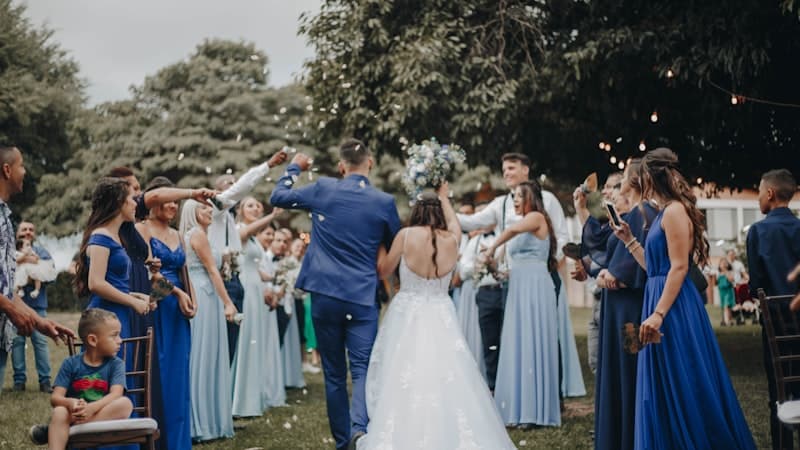
Delivering a wedding speech can be a moment fraught with anxiety, but with the right techniques and preparation, it is possible to transform this nervous energy into confident oratory. This article explores various strategies to help individuals overcome speech anxiety and deliver a heartfelt and memorable wedding speech. From understanding the roots of speech anxiety to mastering the delivery and reflecting on the experience, here is a comprehensive guide to ensure your wedding oratory is received with applause and admiration.
Key Takeaways
- Identify and confront common fears associated with public speaking to demystify and manage speech anxiety effectively
- Employ thorough preparation techniques, including crafting a clear message and rehearsing, to build confidence
- Master the delivery of your speech by practicing body language and vocal techniques, and learning how to engage with the audience authentically
- Incorporate humor and emotion appropriately to connect with the audience and enhance the impact of your wedding speech
- Use post-speech reflection as a tool for growth, gathering feedback, and building confidence for future speaking opportunities
Understanding the Roots of Speech Anxiety
Recognizing Common Fears
The fear of public speaking, often referred to as glossophobia, is a common challenge faced by many individuals tasked with delivering a wedding speech. This anxiety can stem from a variety of concerns, such as the fear of forgetting one's words, the worry of not being engaging enough, or the dread of negative judgment from the audience.
Common fears include:
- Fear of forgetting words
- Worry about engagement
- Dread of judgment
"Embracing these fears and acknowledging their presence is the first step towards overcoming them. It is important to remember that these fears are shared by many and can be mitigated through preparation and practice."
The Psychology Behind Public Speaking Nerves
The fear of public speaking is rooted in the basic human instinct of fight or flight. When faced with a crowd, the brain perceives intense scrutiny as a threat, triggering a cascade of physiological responses designed for survival. This can manifest as a rapid heartbeat, sweating, and a surge of adrenaline - all of which are natural but can be overwhelming.
Understanding the psychological mechanisms at play can empower individuals to approach public speaking with a more analytical mindset. By recognizing that these reactions are a normal part of the body's defense system, speakers can reframe their anxiety as a sign of preparedness rather than a weakness.
"Preparation is key to transforming nervous energy into a dynamic and engaging delivery. Embrace the adrenaline rush as it sharpens your focus and energizes your speech."
Incorporating techniques such as deep breathing, visualization, and positive self-talk can help mitigate the physical symptoms of anxiety. Additionally, familiarizing yourself with the venue and audience can reduce the fear of the unknown.
Personalizing Your Approach to Overcome Anxiety
Personalizing your approach to overcoming speech anxiety is crucial because it acknowledges that everyone's experience with anxiety is unique. Start by identifying what triggers your nervousness. Once you have pinpointed these triggers, you can begin to address them directly.
Personalization strategies:
- Identify Triggers: List down specific situations or aspects of speaking that heighten your anxiety
- Develop Coping Strategies: Tailor strategies that work for you, such as deep breathing or positive visualization
- Practice Self-Compassion: Remind yourself that it is okay to be nervous and that you are doing your best
- Seek Feedback: Use constructive feedback to improve, not as a tool for self-criticism
"Remember, the goal is not to eliminate anxiety completely but to manage it effectively so that it does not hinder your performance. Embrace your unique voice and experiences; they are what will make your wedding speech truly memorable."
Preparation Strategies for Wedding Speeches
Crafting Your Message with Clarity
When preparing a wedding speech, clarity is paramount. Your message should resonate with the audience, reflecting both the significance of the occasion and your personal connection to it. Start by outlining the key points you wish to convey.
Essential elements:
- Outline Key Points: Begin with a clear structure, identifying the introduction, main points, and conclusion
- Personal Stories: Include anecdotes that illustrate the couple's journey and your bond with them
- Well Wishes: Conclude with genuine hopes and blessings for the couple's life together
"Crafting a speech with clarity involves distilling your thoughts into a coherent and impactful message. It is not just about what you say, but how you say it. Aim for simplicity and sincerity to create a lasting impression."
Rehearsing Effectively: Tips and Techniques
Effective rehearsal is crucial for delivering a confident wedding speech. Start by breaking down your speech into manageable sections, allowing you to focus on one part at a time.
Rehearsal techniques:
- Practice Out Loud: Rehearse your speech as if you are at the wedding to get comfortable with the words
- Record Yourself: Listen to your delivery to identify areas for improvement
- Seek Feedback: Present your speech to a trusted friend or family member and ask for constructive criticism
- Simulate the Environment: Practice in a setting similar to the wedding venue to adapt to the space
"Remember, the goal of rehearsal is not to memorize every word but to become familiar with the flow of your speech. Comfort with your content will allow you to speak from the heart, making your words more impactful."
Mastering the Delivery of Your Wedding Speech
Body Language and Vocal Techniques
The power of your wedding speech is not only in the words you choose but also in how you deliver them. Your body language and vocal techniques play a crucial role in conveying your message and emotions. Key considerations include:
- Posture: Stand tall and confident. Your posture can convey a sense of assurance and poise
- Gestures: Use hand movements to emphasize points, but avoid overdoing it
- Facial Expressions: Smile and let your happiness show
- Eye Contact: Maintain eye contact with your audience to create a connection
- Voice Modulation: Vary your tone, pitch, and pace to keep the audience's attention
"Remember, the goal is to connect with your audience, not just to recite words. Practice your speech with these techniques in mind to ensure a delivery that resonates with warmth and sincerity."
Engaging the Audience: Connection Over Perfection
When delivering a wedding speech, the goal is to connect with the audience, not to deliver a flawless monologue. The guests are there to celebrate love and union, not to critique your oratory skills.
Tips for audience engagement:
- Speak from the Heart: Authenticity resonates. Share personal stories or anecdotes that highlight your genuine connection to the couple
- Make Eye Contact: This simple act can create a powerful connection with guests, making them feel included in your message
- Vary Your Tone: Use inflection to convey emotion and keep the audience interested
- Include Everyone: Acknowledge the couple, their families, and the guests to make everyone feel a part of the celebration
"The most memorable speeches are those that touch the heart, not those that showcase oratorical prowess. Aim for emotional resonance over technical perfection."
Managing the Unexpected: Staying Poised Under Pressure
When delivering a wedding speech, unforeseen events can occur. Whether it is a sudden interruption, a slip of the tongue, or an emotional moment that catches you off guard, staying poised is key.
Steps to maintain composure:
- Pause and Breathe: Take a moment to collect your thoughts and steady your nerves
- Acknowledge the Moment: If something unexpected happens, it is okay to acknowledge it with a light-hearted comment before moving on
- Focus on Your Message: Remember the core message of your speech and let it guide you back on track
- Maintain Eye Contact: Keep connecting with your audience, which can provide a sense of stability and confidence
"Embrace the unexpected as part of the experience. A wedding is a live event filled with genuine moments. Your ability to adapt and continue with grace will not only show your resilience but also add to the authenticity of your message."
Incorporating Humor and Emotion
Balancing Sentiment and Levity
When crafting a wedding speech, striking the right balance between sentiment and levity is crucial. A wedding is an emotional milestone, and your words should reflect both the gravity and joy of the occasion.
Approach:
- Reflect on heartfelt stories that resonate with the couple's journey
- Weave in light-hearted anecdotes that bring smiles and laughter
- Aim for a natural flow between touching sentiments and amusing observations
"Remember, the goal is to create an atmosphere that celebrates love and happiness, while also providing moments of amusement that enhance the overall experience."
Storytelling: Sharing Memorable Anecdotes
Incorporating storytelling into your wedding speech can transform it from a mere announcement into a captivating narrative. Select anecdotes that are entertaining and also reveal the depth of your relationship with the couple.
Structure your anecdotes using the classic setup, conflict, and resolution format:
- Setup: Introduce the characters and setting
- Conflict: Describe the challenge or event
- Resolution: Share the outcome or lesson learned
Post-Speech Reflection and Growth
Learning from the Experience
After delivering your wedding speech, take a moment for reflection. This process is about recognizing the parts that resonated with your audience and understanding the elements that made your speech memorable.
Consider the following:
- The audience's reaction to different segments of your speech
- Moments where you felt most connected with the audience
- Any feedback received from guests or the wedding party
- How you managed your nerves and maintained composure
Building Confidence for Future Speeches
"Every speech is a stepping stone to becoming a more confident speaker. Embrace the journey, and with each word spoken, you pave the way to a more assured you."
Reflection framework:
- Identify: Pinpoint what went well and what did not
- Analyze: Understand why certain parts were successful or not
- Plan: Decide on strategies to enhance your strengths and address weaknesses
- Act: Implement these strategies in your next speech
Frequently Asked Questions
How do I overcome a fear of public speaking before a wedding speech?
Combine thorough preparation, deep breathing exercises, and success visualization. Remind yourself that the audience is supportive and wants to celebrate alongside you.
How long should a wedding speech be?
The length typically ranges from 350 to 600 words, translating to about three to five minutes of speaking time, depending on your pace.
What makes a wedding speech unique and memorable?
A wedding speech creates bespoke moments that reflect your personal stories and emotions. The most memorable speeches balance humor with sincerity and speak authentically from personal experience.
Is it okay to use notes during a wedding speech?
Absolutely. Having a printed copy or brief notes as a backup is perfectly acceptable and can prevent panic if nerves cause a momentary memory lapse.